
Introduction
In recent years, when it comes to sustainability, reducing plastic pollution, and environmental responsibility, two terms have become the most commonly used: “biodegradable polymers” and “biobased polymers.” Many brands, manufacturers, and even consumers use these two concepts interchangeably; while scientifically, the two categories are completely different, and confusing them can lead to incorrect decisions in product design, raw material selection, and even policymaking. In this article, we examine the scientific difference between these two types of polymers with a detailed but practical approach and discuss the challenges that exist in their development and use.
What is a biobased polymer?
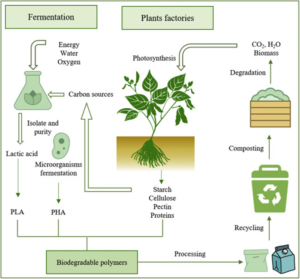
Bio-based polymers are polymers whose carbon source comes from renewable biological sources such as corn, sugarcane, sugar beets, cellulose or even algae. Simply put, these polymers are “bio” in origin, not petroleum. But here’s the important thing: Being bio-based does not necessarily mean being biodegradable. For example, Bio-PE (bio-based polyethylene) is produced from ethanol from sugarcane, but its chemical structure is exactly the same as petroleum-based polyethylene. Therefore, it does not decompose in nature and its environmental behavior is no different from regular PE. The only difference is in the source of the carbon supply, not in the final fate of the material in the environment.
What is a biodegradable polymer?
In contrast, biodegradable polymers are polymers that, under specific biological conditions, are converted by microorganisms into simpler compounds such as water, carbon dioxide, methane, and biomass. Here, the origin of the material is less important; what is important is the chemical structure and the ability of the polymer chains to be broken down by enzymes and biological agents. For example, polylactic acid (PLA), which is produced from biological sources, is both biobased and biodegradable under industrial composting conditions. However, some biodegradable polymers may even have a petroleum origin, but are biodegradable due to their specific structure. Therefore, “biodegradable” is a functional characteristic, not a characteristic related to the source of production.
Common Mistake: When Marketing Replaces Science
In many consumer products, terms such as “Eco-friendly”, “Green plastic” or “Bio plastic” are used without a precise scientific explanation. This leads to market confusion and even a form of “greenwashing”. If a polymer is bio-based but remains in nature for hundreds of years, can it be considered a solution to the plastic crisis? On the other hand, if a polymer is biodegradable but only decomposes in industrial composting conditions at 58°C, will it actually decompose in the natural environment? This is where the scientific difference between the two concepts becomes crucial.
Challenges of biobased polymers
Bio-based polymers are not without their challenges. The most important question about them is competition with food resources and agricultural land. What impact will it have on food security if polymer materials are produced from corn or sugarcane on a large scale? On the other hand, the process of growing, harvesting, processing and converting biomass into monomers also requires energy and resources. If this energy is provided by fossil fuels, their carbon advantage is reduced. Therefore, life cycle assessment (LCA) plays a key role in truly analyzing the benefits of these polymers.
Is there a final solution?
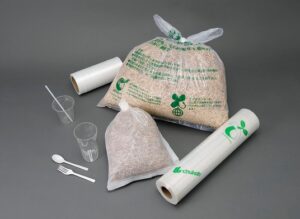
The reality is that neither biodegradable nor biobased polymers are “magic bullets” for the plastics crisis. Each can be useful in specific applications. For example, for short-term applications such as disposable tableware in controlled environments, biodegradable polymers can be a logical choice. Conversely, for products that require high durability but aim to reduce dependence on petroleum, biobased polymers are a good choice. The key is to make smart material choices based on the application, existing infrastructure, life cycle analysis, and the organization’s sustainability strategy.
summary
The difference between biobased and biodegradable polymers is a fundamental and scientific one: The former refers to the source of production, while the latter refers to the behavior of the material at the end of its life. Understanding this distinction will help manufacturers make more informed decisions, inform consumers, and prevent misleading advertising. If the future of the polymer industry is to move toward sustainability, it will be paved not by slogans but by science, transparency, and precise engineering.
